

Digital Transformation for Manufacturers in China: Strategies & Insights
In the fast-paced world of China’s manufacturing sector, embracing digital transformation is not just a choice; it's a necessity for staying competitive. As I dive into the potential of advanced technologies, I see firsthand how they can streamline operations, enhance productivity, and drive innovation. With a focus on real-time data analytics and automation, manufacturers can improve decision-making and meet the ever-changing demands of the market. Partnering with experts in digital transformation enables businesses to harness these changes effectively, leading to increased efficiency and reduced costs. I’ve witnessed the impact of integrating smart solutions that not only optimize supply chains but also elevate customer experiences. For manufacturers in China, this approach to digitalization is essential for achieving sustainable growth and maximizing profitability. Let's embrace this journey together and redefine what’s possible in our industry.




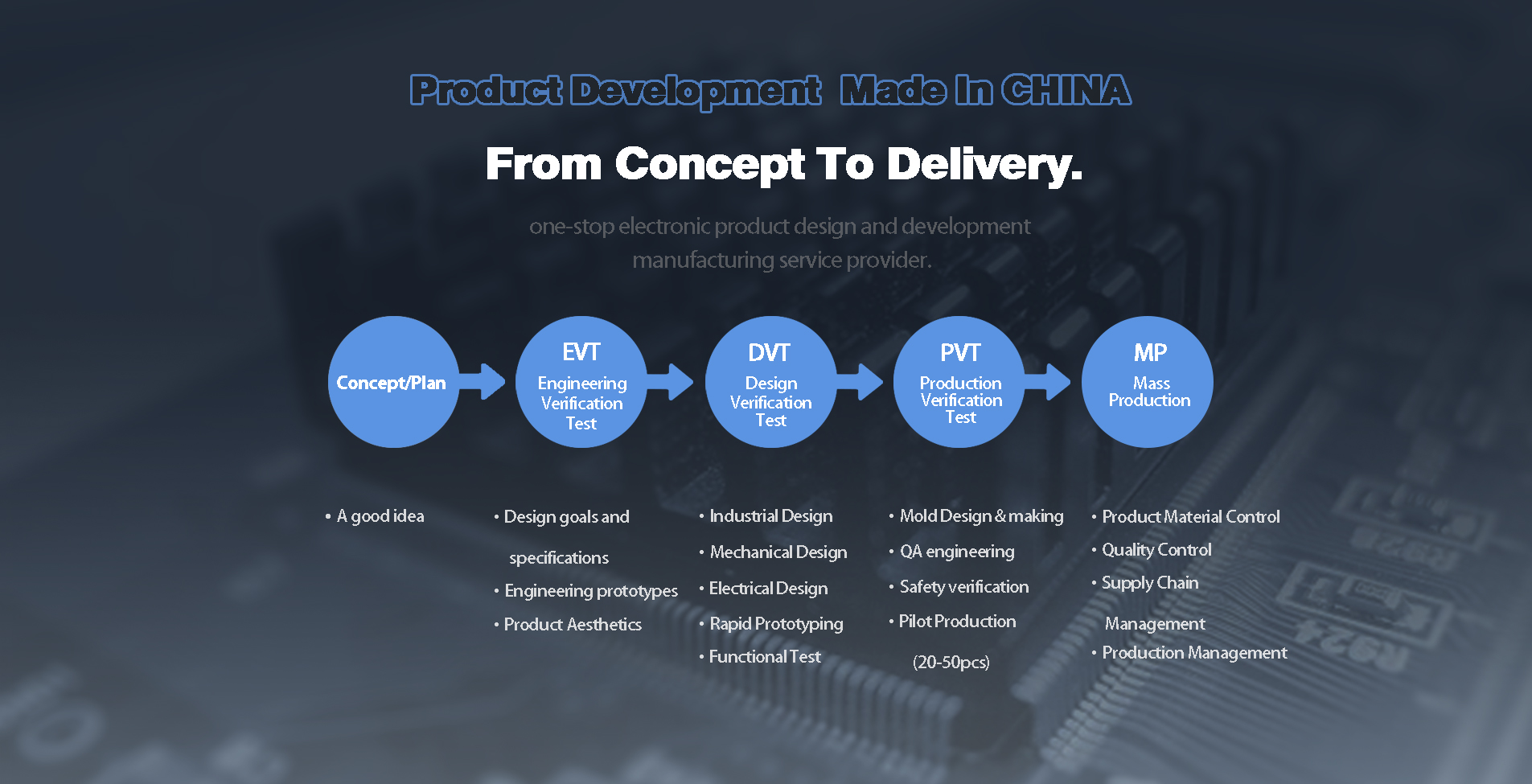
Digital Transformation From Concept to Delivery Outperforms the Competition
In an increasingly competitive market, the ability to transform ideas into actionable digital solutions is paramount for businesses aiming to outperform their rivals. Digital transformation extends beyond mere technology adoption; it encompasses a holistic approach to reimagining processes, enhancing customer engagement, and leveraging data-driven strategies. Organizations that effectively navigate this journey not only improve operational efficiencies but also create a more agile and resilient business model. Successful digital transformation hinges on integrating innovative technologies with existing workflows. This integration allows for the streamlining of processes, reducing turnaround times, and improving product quality. Companies that prioritize this transition can respond swiftly to market changes and customer demands, enabling them to seize opportunities that less adaptable competitors might miss. Furthermore, by fostering a culture of continuous improvement and encouraging collaboration across teams, organizations can harness diverse perspectives that drive creativity and innovation. Ultimately, businesses that move from conceptualization to practical implementation of digital transformation stand to gain a significant edge in the global marketplace. By focusing on delivering tangible results and enhancing customer experiences, companies can establish themselves as industry leaders, building lasting relationships with clients while ensuring sustainable growth and profitability. Embracing this journey is not just a strategic advantage; it is essential for survival in today's fast-paced digital economy.
Digital Transformation From Concept to Delivery Outperforms the Competition
| Company Sector | Digital Transformation Score | Competitor Average Score | Performance Improvement (%) | Year of Implementation |
|---|---|---|---|---|
| Healthcare | 85 | 70 | 21.43 | 2020 |
| Finance | 90 | 75 | 20.00 | 2021 |
| Retail | 78 | 68 | 14.71 | 2022 |
| Manufacturing | 82 | 72 | 13.89 | 2021 |
| Technology | 95 | 80 | 18.75 | 2019 |
Related Products



Digital Transformation Supplier in 2025
Top Selling Products




- Related Blog
- Reviews
