

Industrial Design Process: Key Insights for China Manufacturers
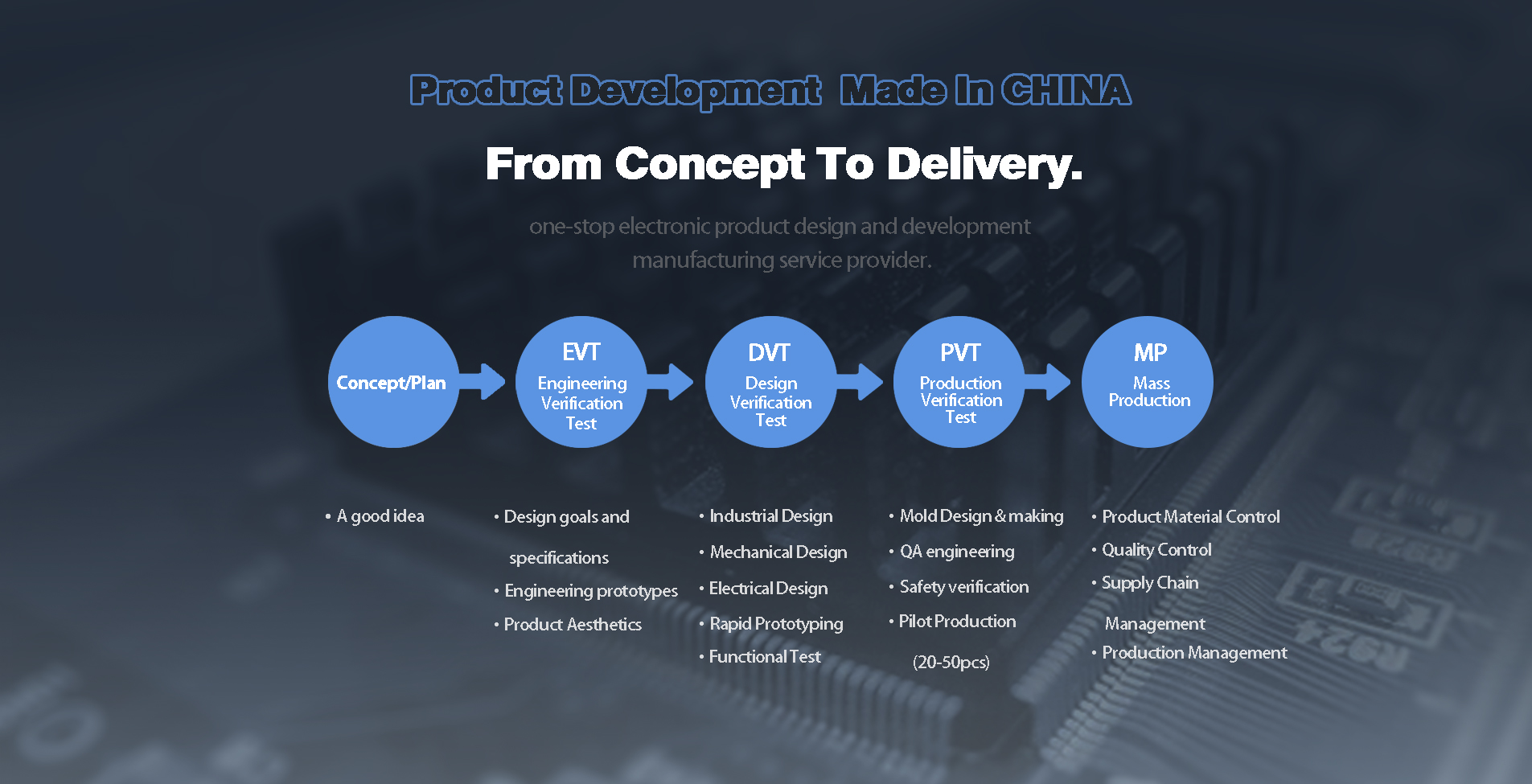
Navigating the industrial design process can be quite a challenge, especially when sourcing from reliable manufacturers in China. I've experienced firsthand how essential it is to partner with a manufacturer who understands both your vision and the intricacies of design. My journey with this process has taught me that collaboration is key to successfully turning ideas into tangible products. When working with a skilled manufacturer, I found that they not only bring innovative design solutions to the table but also ensure quality standards throughout production. It's impressive how they integrate feedback into every stage of the process, leading to products that truly resonate in the market. If you're seeking a seamless experience, choosing a manufacturer in China who excels in industrial design is the way to go. You can achieve remarkable results that meet your business needs while staying ahead of the competition. Together, we can create something that stands out!
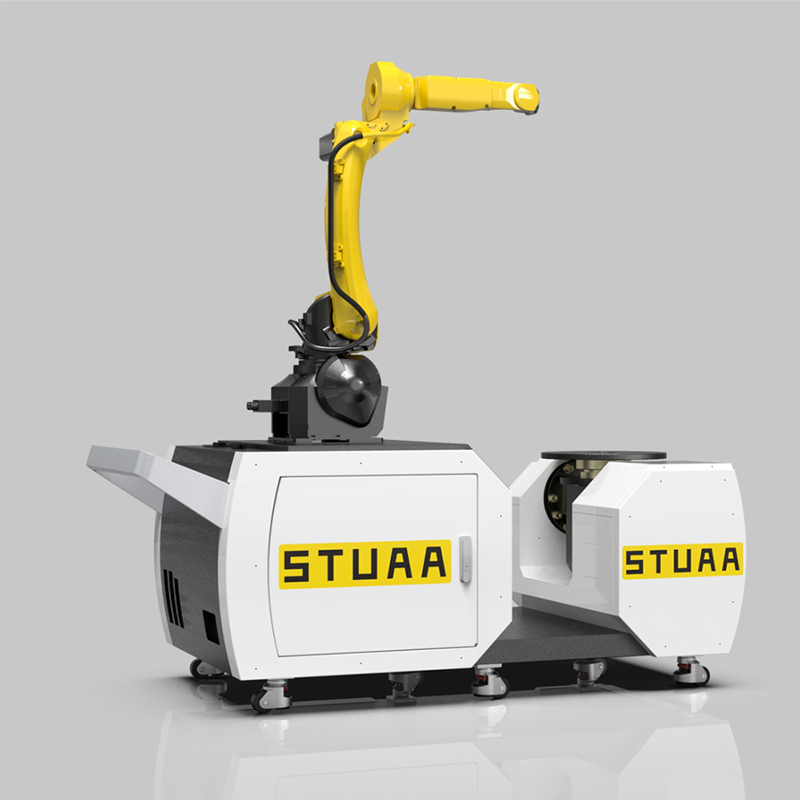
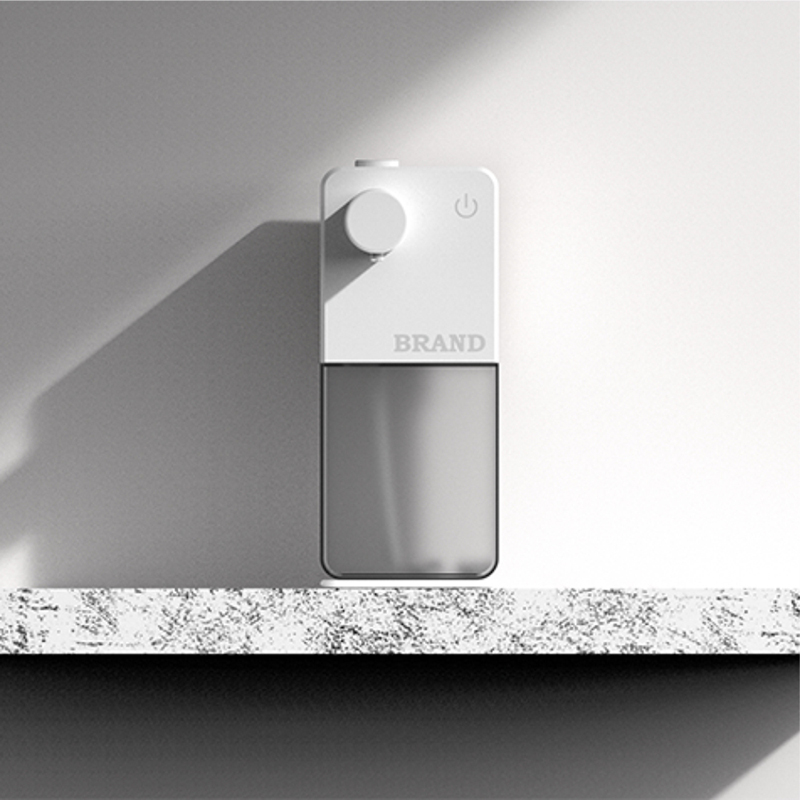
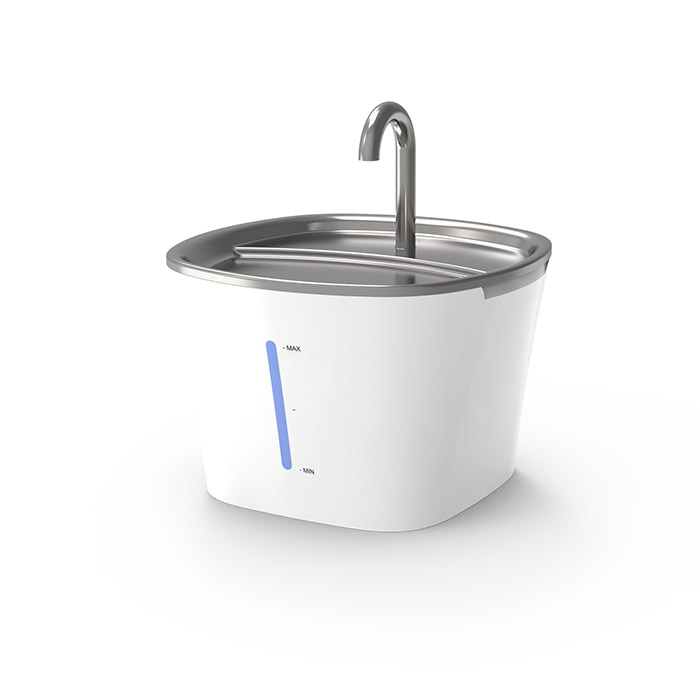
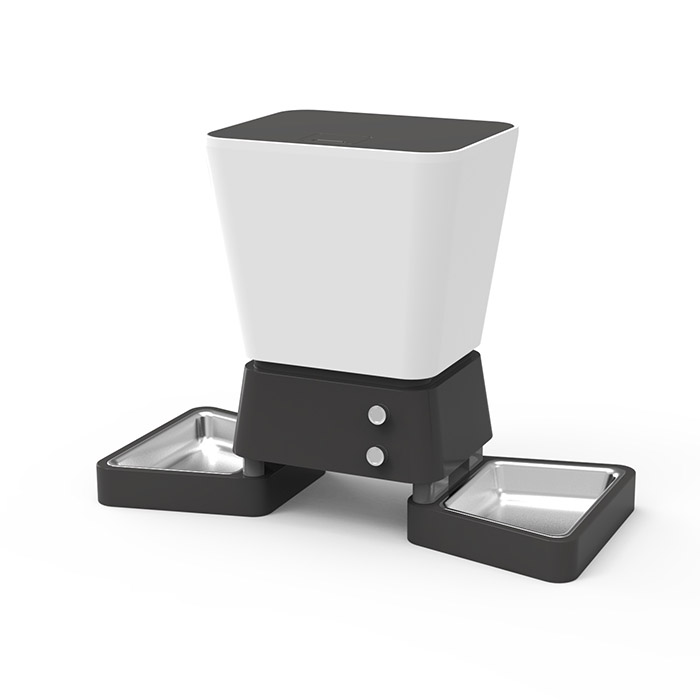


Industrial Design Process Guarantees Peak Performance Where Service Meets Innovation
In today’s competitive marketplace, the intersection of service and innovation is where remarkable products are born. The industrial design process is a critical avenue through which companies can deliver peak performance, ensuring that every aspect of a product meets the evolving needs of consumers and buyers alike. By meticulously analyzing user experience, usability, and aesthetic appeal, businesses can craft solutions that not only stand out in functionality but also resonate on an emotional level. A streamlined industrial design process fosters an environment where creativity meets practicality. Innovations arise from a thorough understanding of market demands and customer pain points, allowing manufacturers to respond effectively. Collaborative brainstorming efforts, rapid prototyping, and iterative feedback loops are essential components that enhance the product development journey, enabling teams to pivot quickly when necessary. These practices ensure that the final offerings are not only high-quality and high-performance but also genuinely aligned with the market's expectations. Ultimately, integrating a robust industrial design philosophy into product development not only improves operational efficiencies but also strengthens brand loyalty. As global sourcing continues to evolve, companies that prioritize innovative design backed by exceptional service are positioned to lead in their respective industries. Investing in such practices guarantees that products deliver optimal performance, creating lasting relationships with customers who value quality and functionality.
Industrial Design Process Guarantees Peak Performance Where Service Meets Innovation
| Dimension | Description | Importance | Innovation Aspect |
|---|---|---|---|
| User-Centered Design | Focus on user needs and experiences in the design process. | Critical for product adoption and satisfaction. | Incorporates user feedback to enhance functionality. |
| Sustainability | Utilizing eco-friendly materials and processes. | Supports environmental goals and brand image. | Encourages innovation in material sourcing and waste reduction. |
| Prototyping | Creating early models to test concepts and ideas. | Allows for iterative design and refinements. | Facilitates rapid experimentation and innovation. |
| Collaboration | Involving various stakeholders in the design process. | Brings diverse perspectives and expertise. | Promotes cross-disciplinary innovation and solutions. |
| Market Research | Analyzing industry trends and consumer preferences. | Informs design decisions and strategies. | Drives innovative design tailored to market needs. |
Related Products

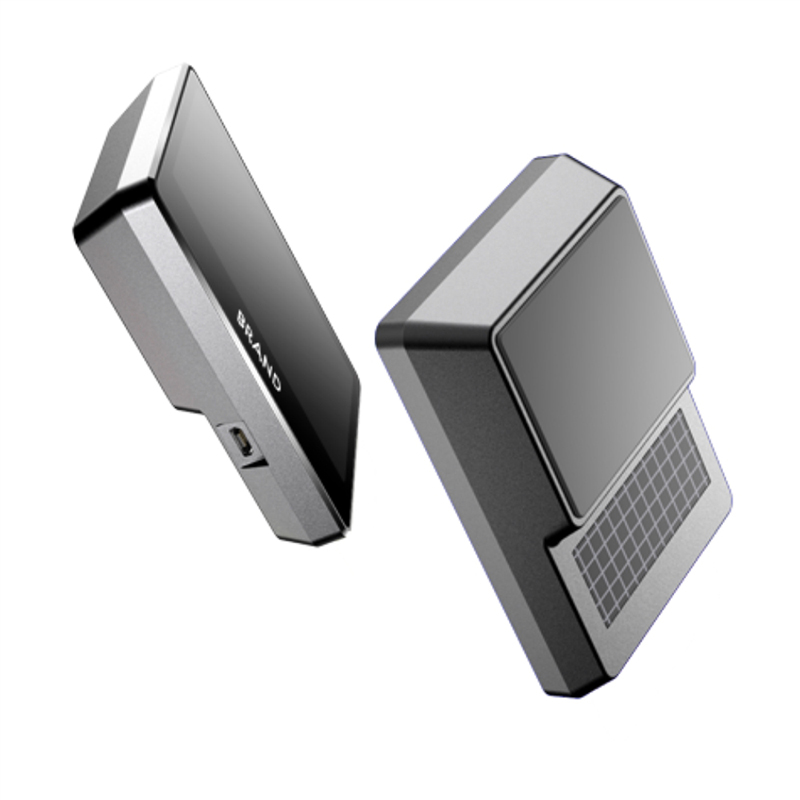
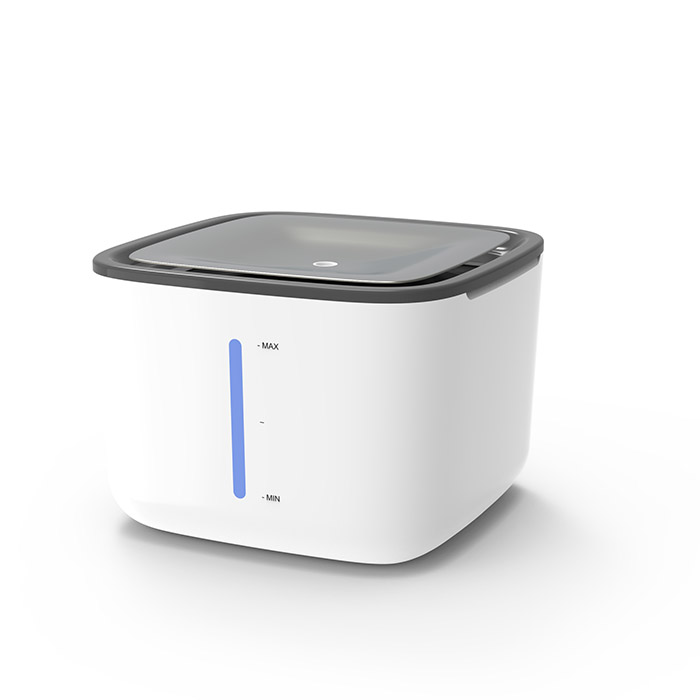
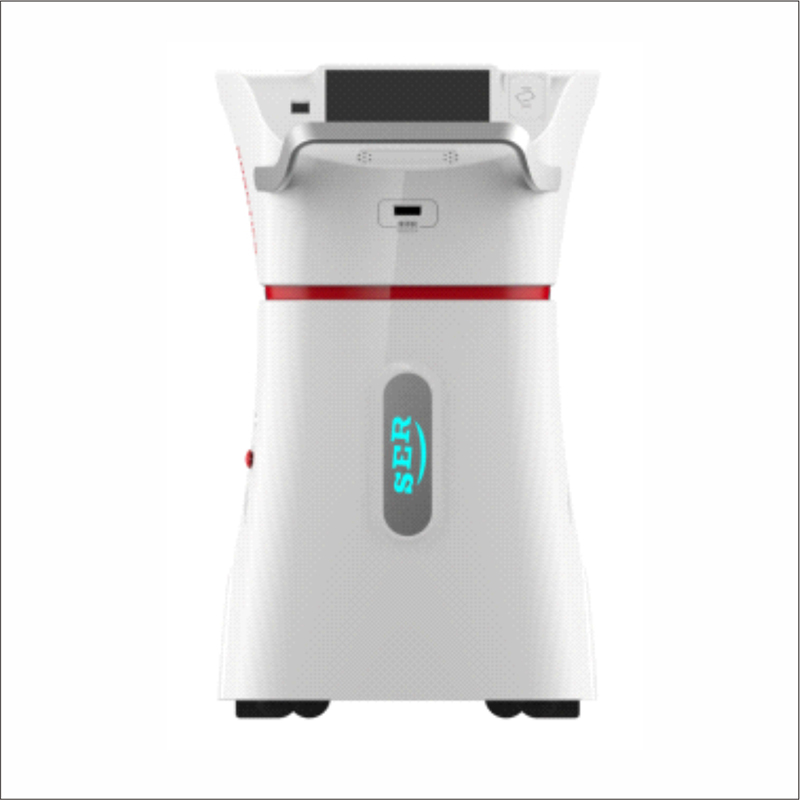
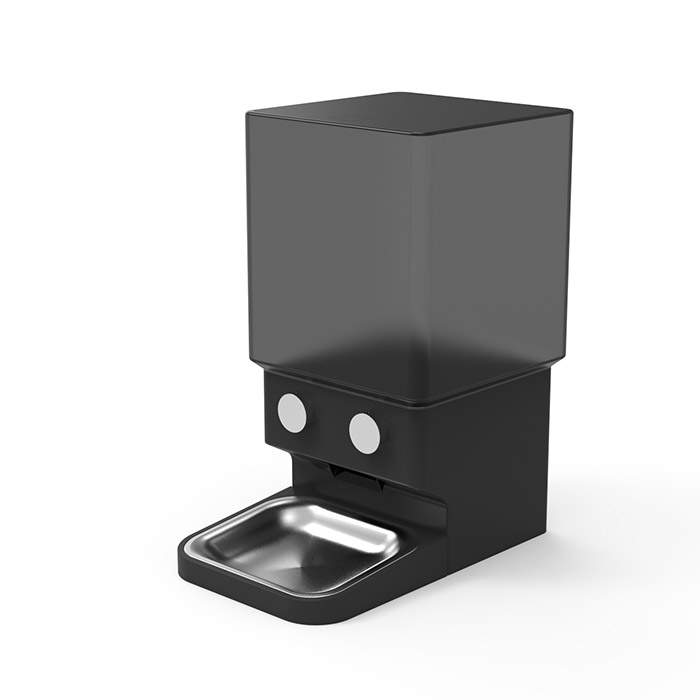
Industrial Design Process Service Guarantees Peak Performance
Top Selling Products



- Related Blog
- Reviews
