

History of Industrial Design: Insights for China Manufacturers
As someone deeply passionate about the history of industrial design, I understand how vital it is for manufacturers in China to blend innovation with practicality. Industrial design isn't just about aesthetics; it's about creating products that enhance functionality and user experience. I've seen first-hand how Chinese manufacturers have embraced design evolution, driving progress in industries from electronics to furniture. By focusing on the fusion of form and function, these manufacturers are not only meeting domestic demand but also making significant impacts in global markets. When you partner with a manufacturer who appreciates this history, you're tapping into a wealth of expertise that prioritizes both quality and cutting-edge design. Let’s explore how leveraging this rich history can elevate your brand and provide solutions tailored to your specific needs. Trust me, knowing the story behind industrial design can make a world of difference in your purchasing decisions.
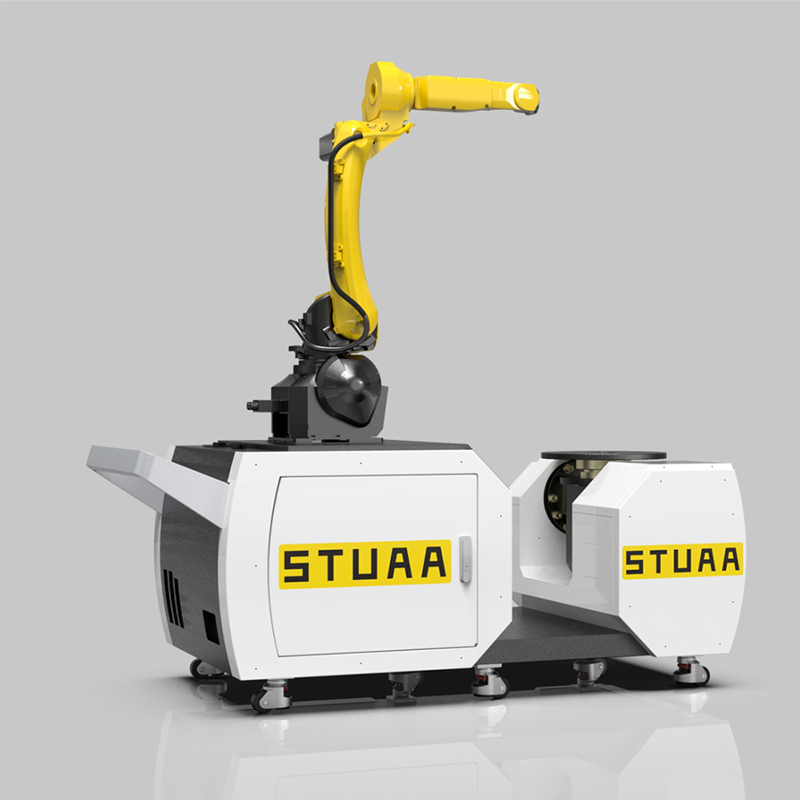

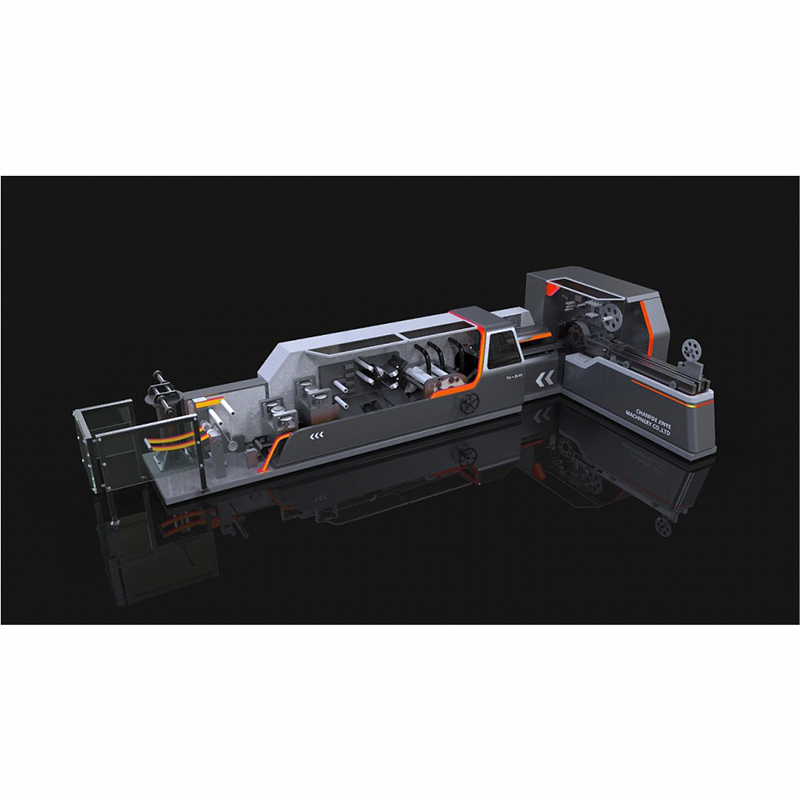
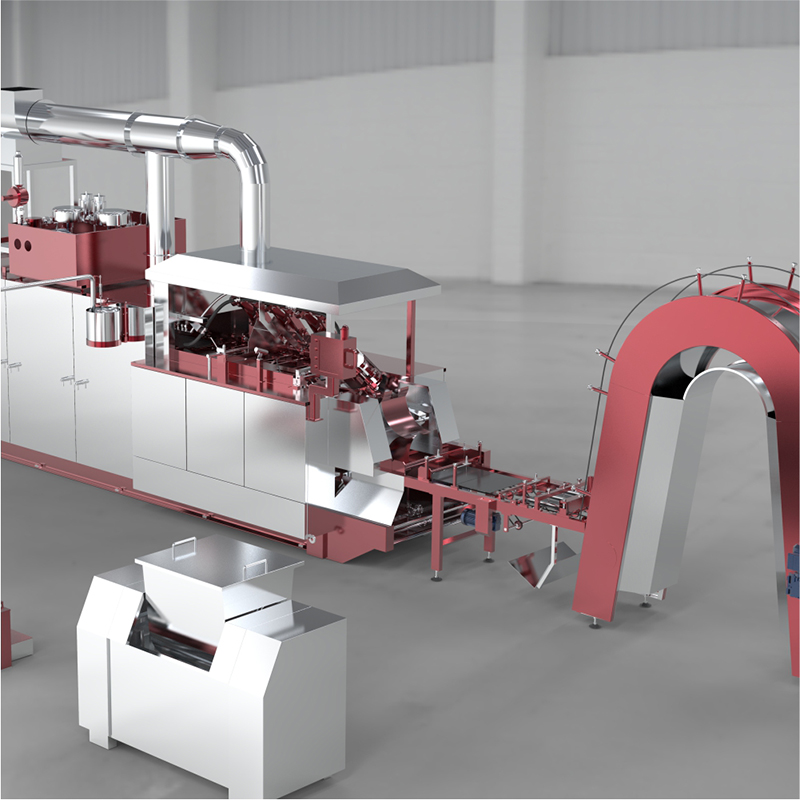
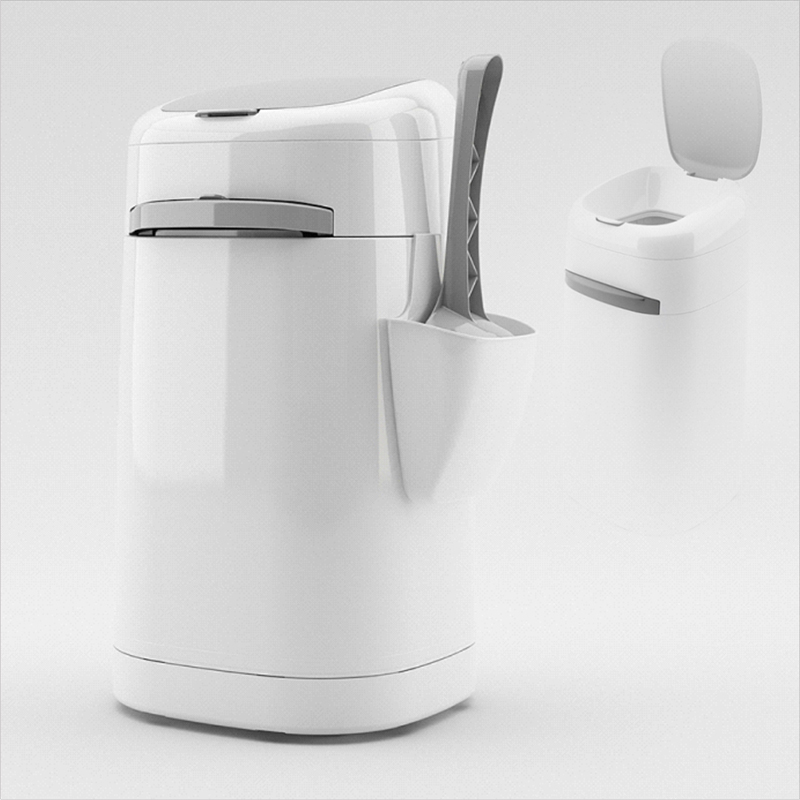
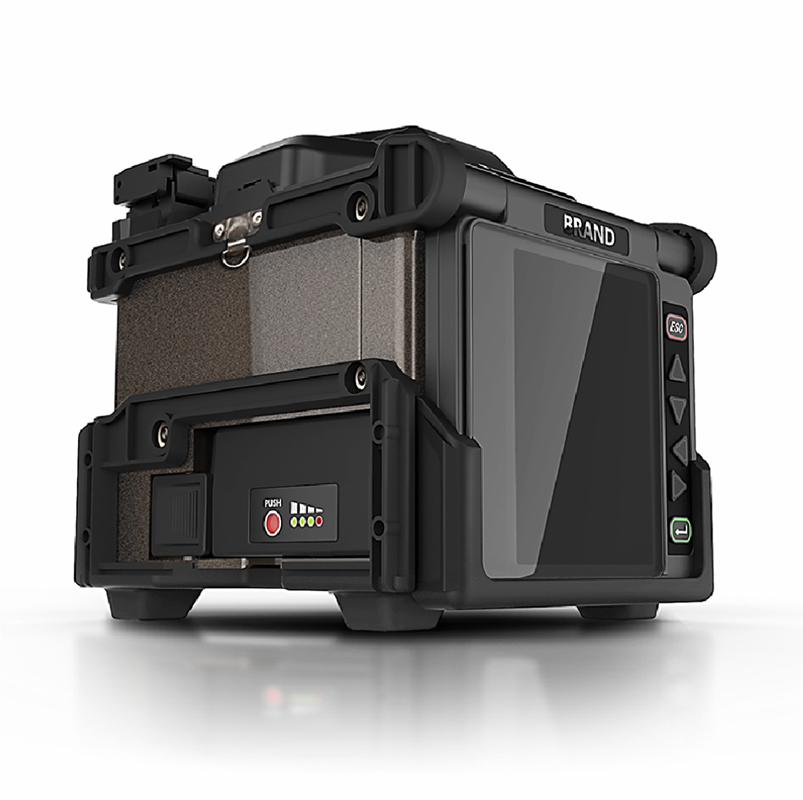
History Of Industrial Design Pioneers in the Field Supplies the World\u2019s Top Brands
Industrial design has played a pivotal role in shaping the products that meet consumer needs around the globe. From the early 20th century, visionaries in the field have driven innovation, marrying aesthetics with functionality. Pioneers such as Charles and Ray Eames and Dieter Rams not only transformed everyday objects but set new standards for design and usability. Their influences can still be seen in contemporary practices, where consumer experience and sustainability are at the forefront of product development. Today, the legacy of these design pioneers is incredibly relevant as global brands seek to differentiate themselves in a competitive marketplace. Innovative firms leverage cutting-edge design to enhance user engagement, drive sales, and ensure product longevity. By prioritizing design thinking, companies are better equipped to create solutions that resonate with modern consumers, fostering brand loyalty in an ever-evolving commercial landscape. For global buyers and procurement professionals, understanding the history and evolution of industrial design is crucial. It provides insights into current trends and informs purchasing decisions that align with market demands and consumer preferences. Investing in well-designed products not only guarantees quality but also enhances brand reputation, making the partnership with dynamic suppliers a strategic advantage in achieving business success.
History Of Industrial Design Pioneers in the Field Supplies the World’s Top Brands
| Pioneer | Contribution | Year | Influence |
|---|---|---|---|
| Pioneer A | Innovated ergonomic tools for everyday use | 1945 | Set standards for user-centered design |
| Pioneer B | Developed sustainable materials for products | 1968 | Paved the way for eco-friendly designs |
| Pioneer C | Created iconic consumer electronics | 1984 | Revolutionized the tech landscape |
| Pioneer D | Pioneered minimalist design in furniture | 1995 | Influenced modern home aesthetics |
| Pioneer E | Integrated technology into everyday objects | 2010 | Redefined the concept of smart furniture |
Related Products
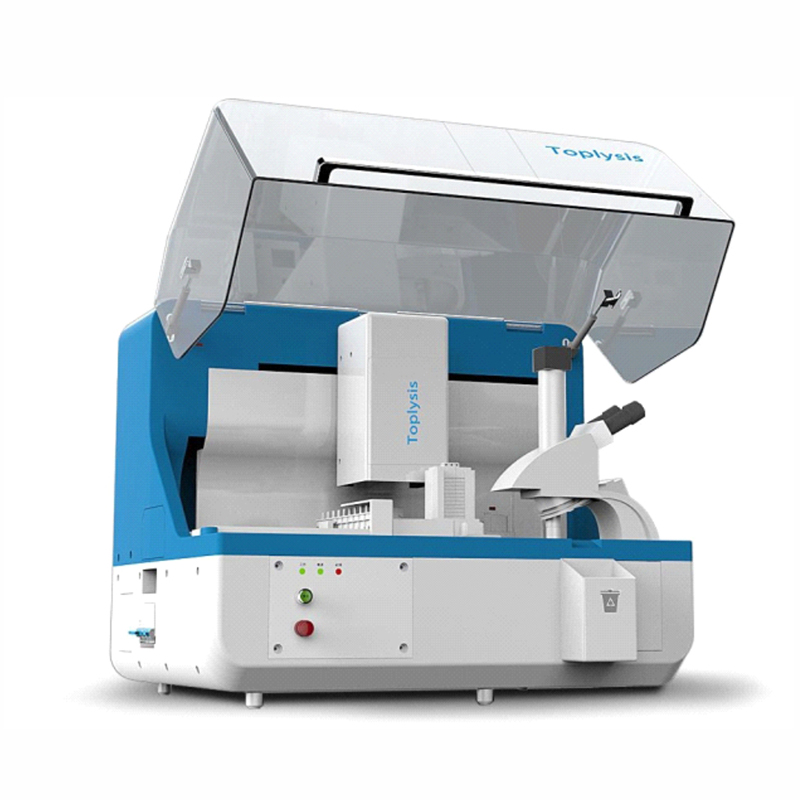
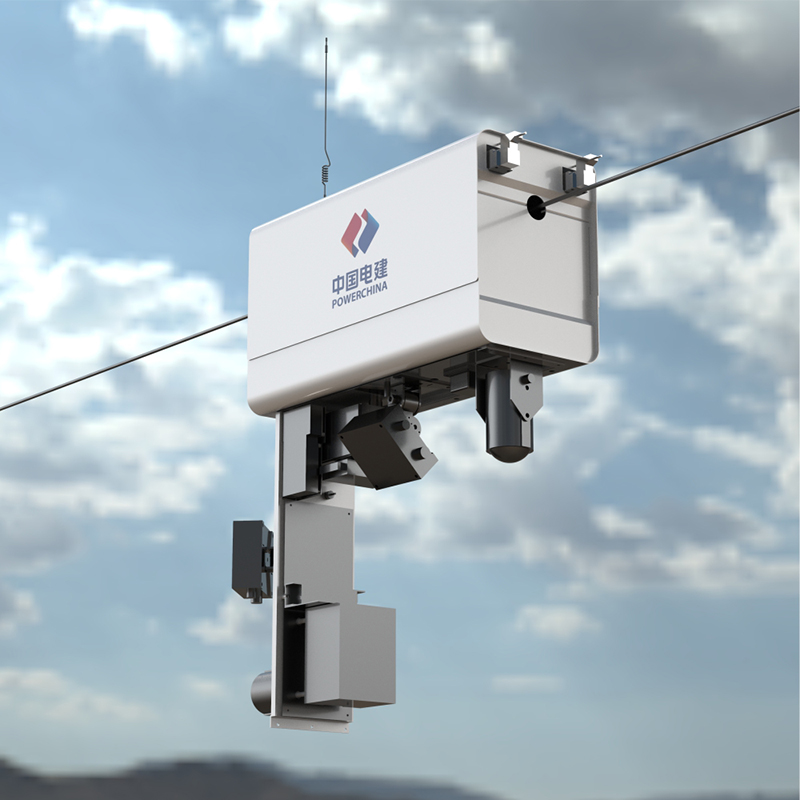

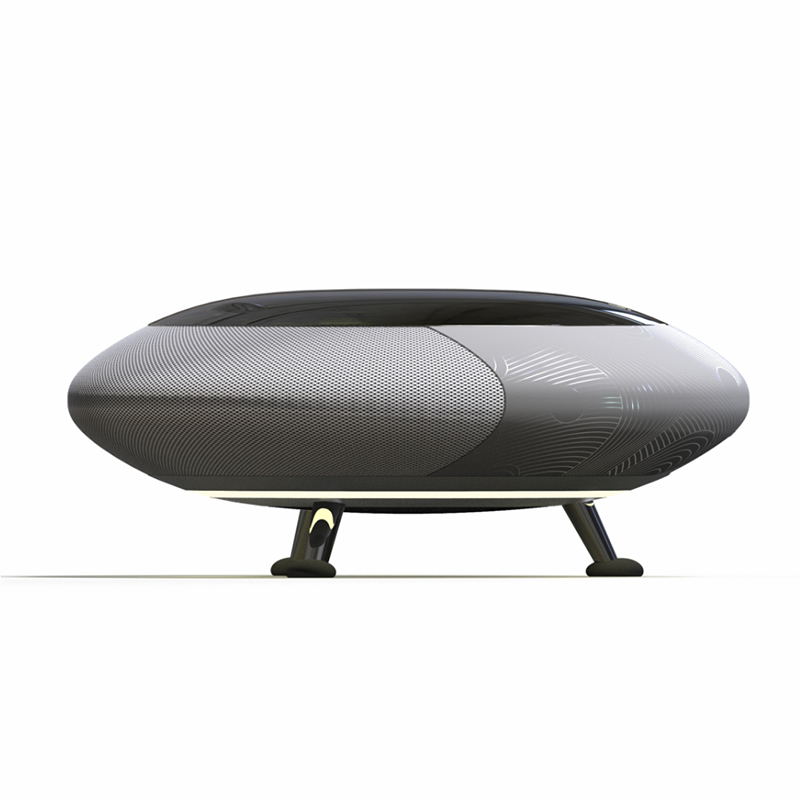
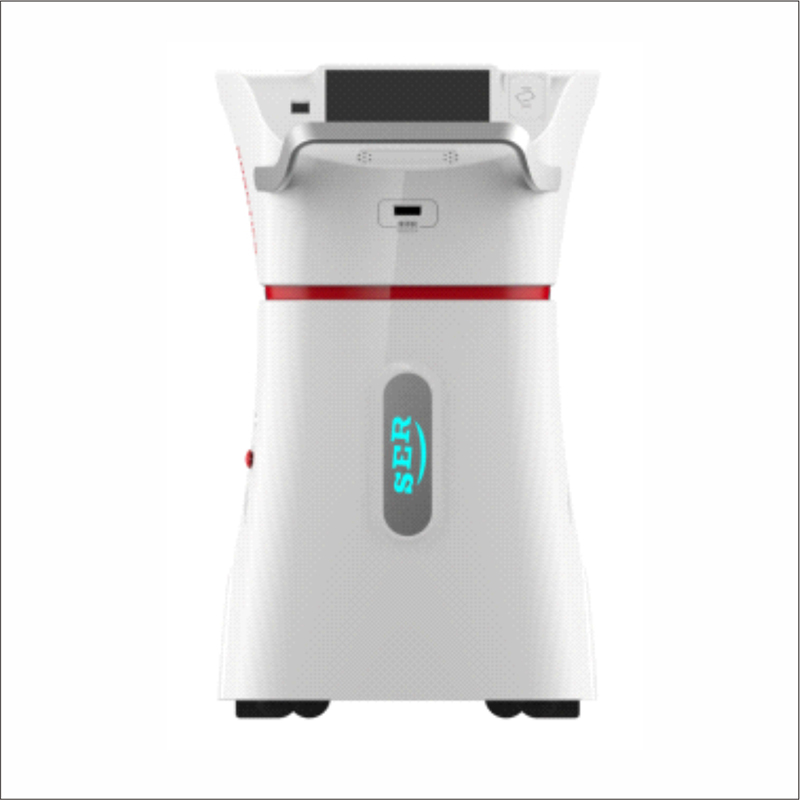
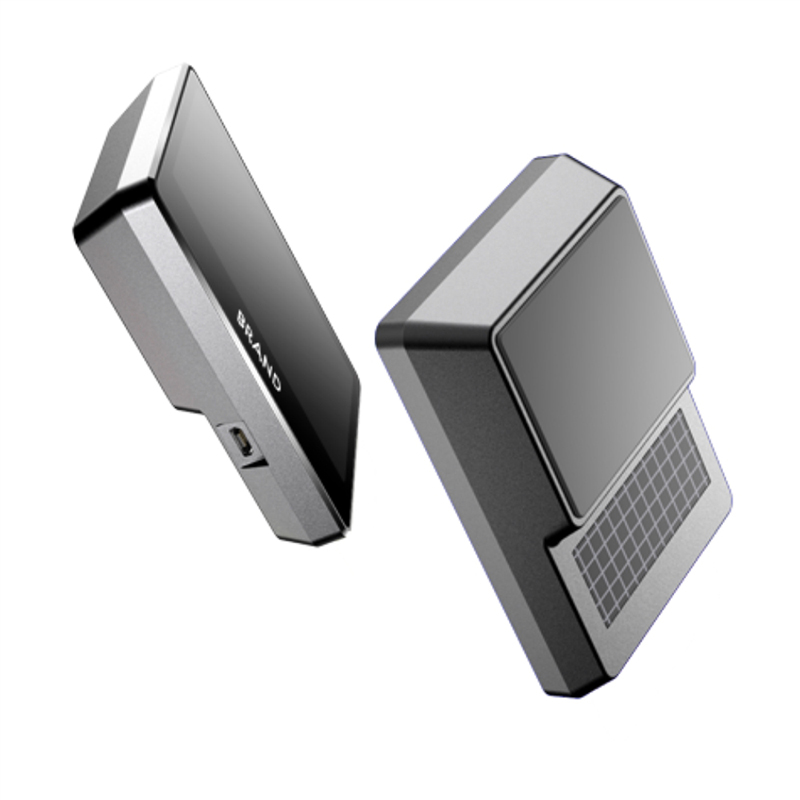
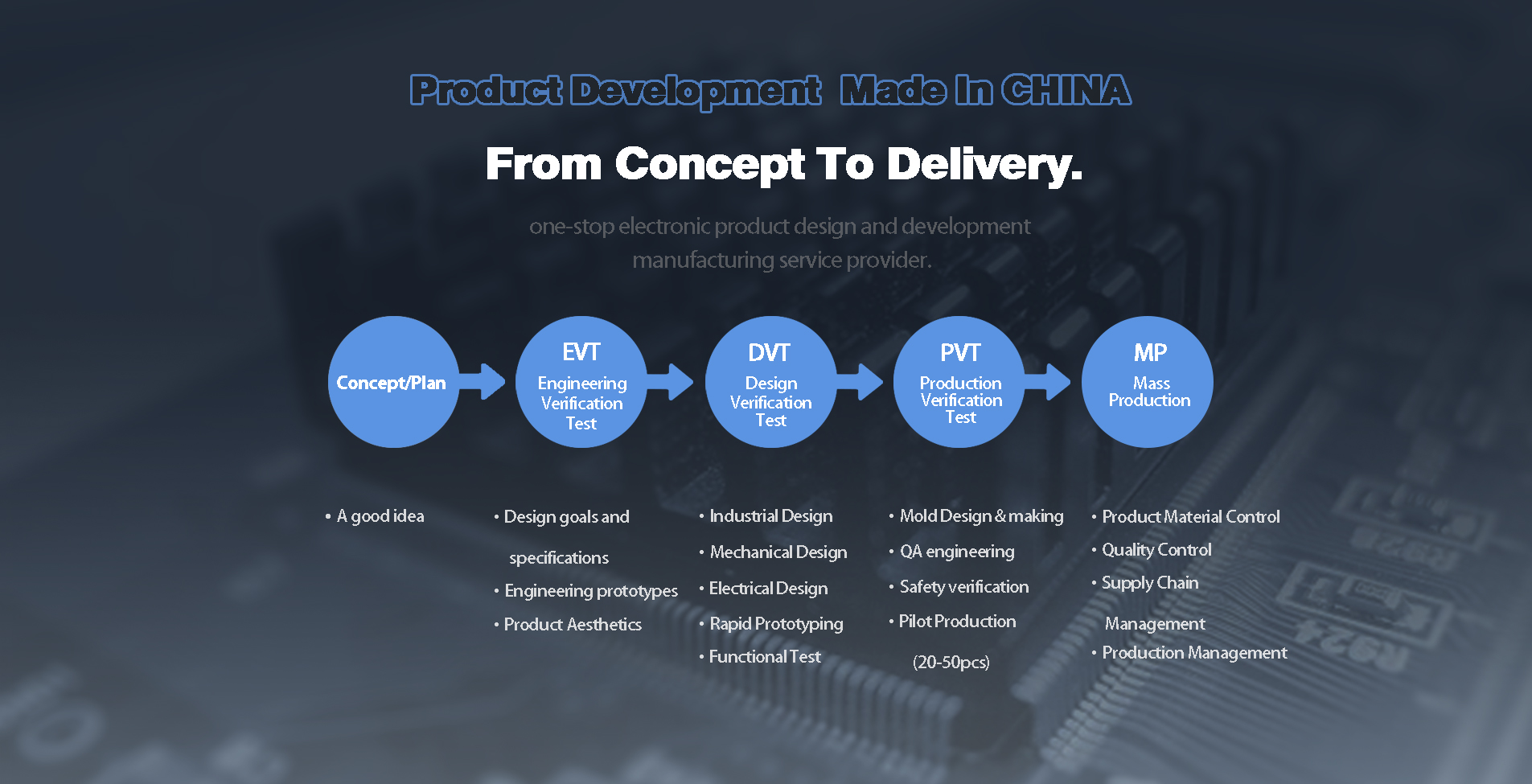
History Of Industrial Design Dominates Custom Solutions,
Top Selling Products


- Related Blog
- Reviews
