

Product Iterations by China Manufacturer: Innovating for Customer Needs
As a manufacturer in China focused on product iterations, I understand how crucial it is to stay ahead of market demands. My experience has taught me that each iteration can significantly enhance product functionality and overall appeal. By keeping a close eye on buyer behavior, I tailor developments that meet market needs, ensuring that every iteration is packed with value. From concept to production, I prioritize continuous improvement, drawing on feedback and trends to refine our offerings. Our robust process means you’re not just getting a product—you’re investing in something that evolves with you. If you’re seeking a reliable partner that understands the dynamics of manufacturing in China, I’m here to collaborate and bring your ideas to life. Let’s navigate the journey of innovation through effective product iterations together!



Product Iterations Products Where Innovation Meets 2025
In the ever-evolving landscape of product development, 2025 marks a pivotal year where innovation and iteration converge. As businesses strive to adapt to rapidly changing market demands, the significance of continuous improvement and agile methodologies has never been more pronounced. This is especially true for global procurement professionals seeking cutting-edge solutions that not only meet current needs but anticipate future trends. The integration of advanced technologies and sustainable practices has given rise to a new era of product iteration. With an emphasis on user-centric designs and eco-friendly materials, suppliers are now able to offer products that are not only functional but also contribute to a greener planet. As procurement specialists, the ability to source innovative products that align with environmental goals will redefine competitive advantage in the marketplace. As we approach 2025, the challenge lies in identifying partners who share a vision for innovation while maintaining reliability and quality. The future of procurement is not just about acquiring products; it's about fostering collaborations that drive continuous improvement and bring groundbreaking solutions to the forefront. Embracing this mindset will empower global businesses to thrive in an increasingly interconnected world.
Product Iterations: Products Where Innovation Meets 2025
| Product Name | Category | Release Date | Key Features | Target Audience |
|---|---|---|---|---|
| Smart Home Assistant | Smart Devices | January 2025 | Voice control, Home automation, IoT integration | Tech-savvy homeowners |
| Eco-Friendly Phone | Electronics | March 2025 | Biodegradable materials, Solar charging, AI features | Environmentally-conscious consumers |
| Wearable Health Tracker | Wearables | May 2025 | Heart monitoring, Sleep tracking, Fitness metrics | Health and fitness enthusiasts |
| Augmented Reality Glasses | AR/VR | August 2025 | Real-time navigation, Gaming, Interactive learning | Gamers, Educators, Travelers |
| Personalized Skincare Device | Beauty Tech | November 2025 | Skin analysis, Tailored treatments, Allergy detection | Beauty and skincare enthusiasts |
Related Products

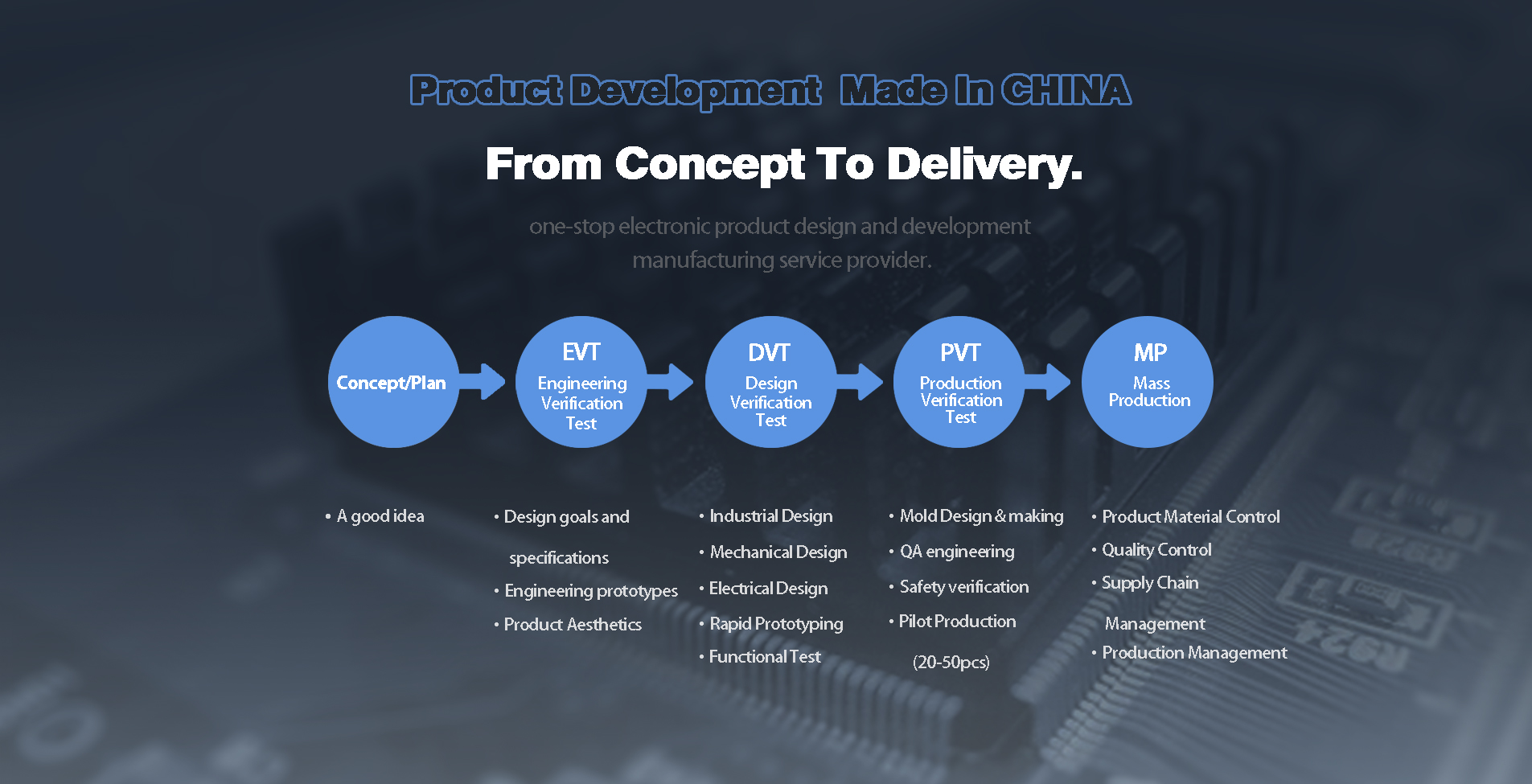
Product Iterations Sets the Industry Standard From Concept to Delivery
Top Selling Products


- Related Blog
- Reviews
