

Study Industrial Design in China: Insights from Leading Manufacturers
As someone passionate about the field, I truly believe that studying industrial design opens up endless possibilities for innovation and creativity. In China, where manufacturing is booming, acquiring knowledge in this area can give you a significant advantage. The blend of art and engineering in industrial design not only shapes products but also enhances user experience. I’ve seen how well-designed products can transform an entire brand's image, especially for manufacturers aiming to stand out in a competitive market. By embracing principles of sustainability and functionality, industrial design helps create items that really resonate with consumers. Partnering with a manufacturer who values design can elevate your product line and boost sales. If you’re considering a path in this dynamic field, understanding the industrial landscape in China can be a game changer. Let’s collaborate on solutions that not only meet market needs but also push the boundaries of what’s possible in design.
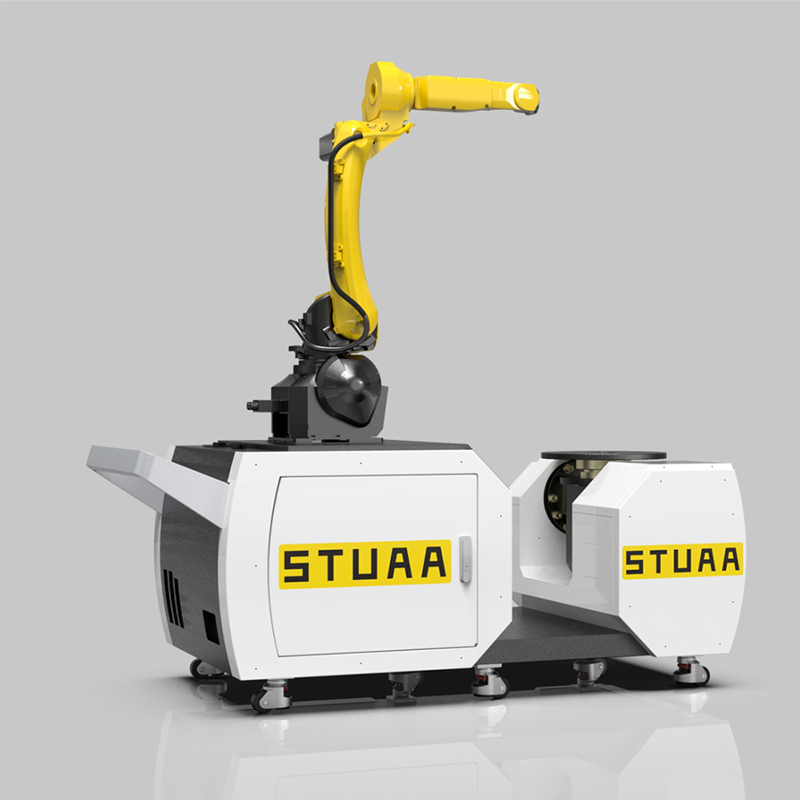



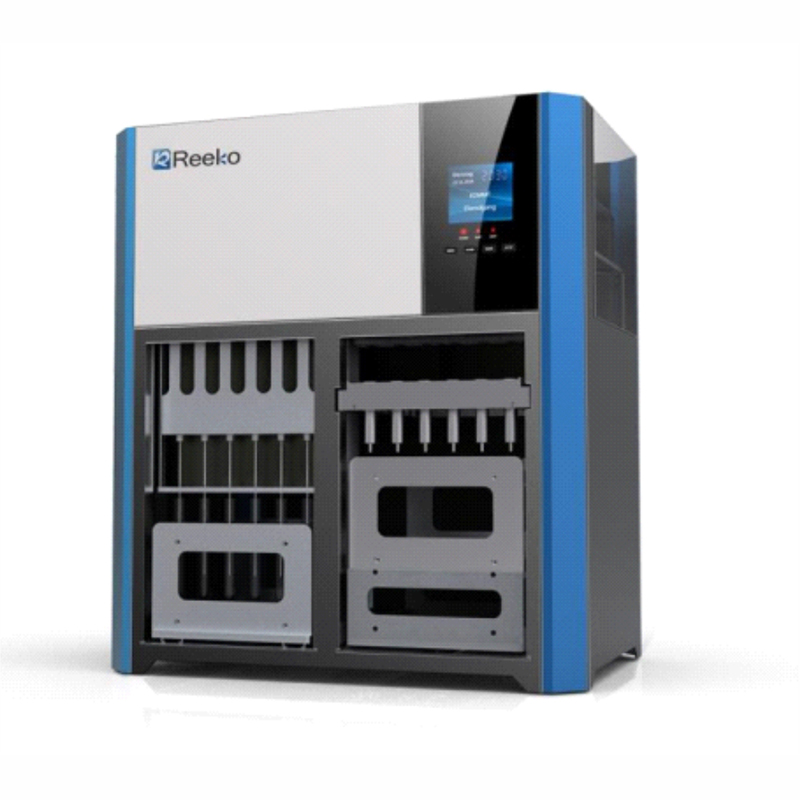
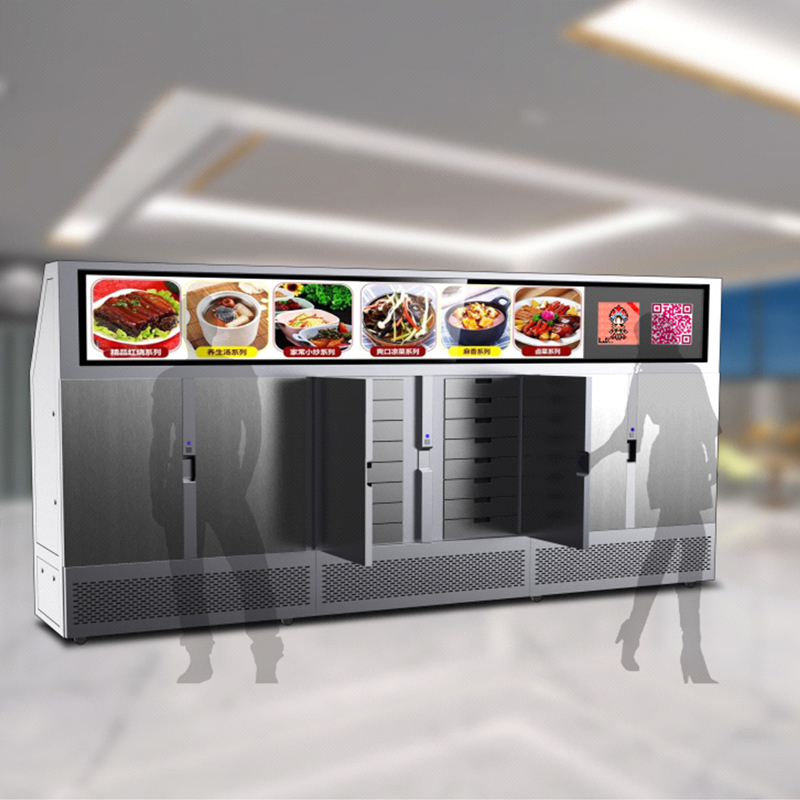
Study Industrial Design in 2025 Industry Giant
As we look ahead to 2025, the importance of industrial design in shaping successful products cannot be overstated. Industry giants are recognizing that innovative design is not just about aesthetics; it is a strategic tool that can drive market competitiveness and customer loyalty. The rise of sustainable practices and smart technologies further emphasizes the need for designers who can blend creativity with functionality while considering the environmental impact of their designs. For global buyers, collaborating with companies that prioritize industrial design can lead to significant advantages. Such partnerships can streamline product development, enhance user experience, and ultimately result in higher customer satisfaction. Moreover, the emphasis on user-centered design approaches ensures that products resonate well with target markets, thus maximizing their potential reach and profitability. By choosing suppliers that invest in cutting-edge design capabilities, buyers can secure a significant edge in an increasingly competitive landscape. As we move into 2025, the ability to adapt to changing consumer preferences and technological advancements will be crucial. Decisions made now regarding industrial design partnerships will shape the future of product offerings and brand identities. Engaging with forward-thinking organizations that understand the nuances of industrial design can pave the way for innovation and success in both local and global markets.
Study Industrial Design in 2025 Industry Giant
| Dimension | Data |
|---|---|
| Market Growth Rate | 8.5% annually |
| Number of Graduates | 50,000 per year |
| Top Design Trends | Sustainable Design, User-Centered Design, Smart Tech Integration |
| Key Industries | Consumer Electronics, Automotive, Furniture, Healthcare |
| Average Salary | $60,000 annually |
| Major Countries for Industrial Design | USA, Germany, Japan, China, Sweden |
| Primary Skills Required | 3D Modeling, Prototyping, User Research, Design Thinking |
Related Products
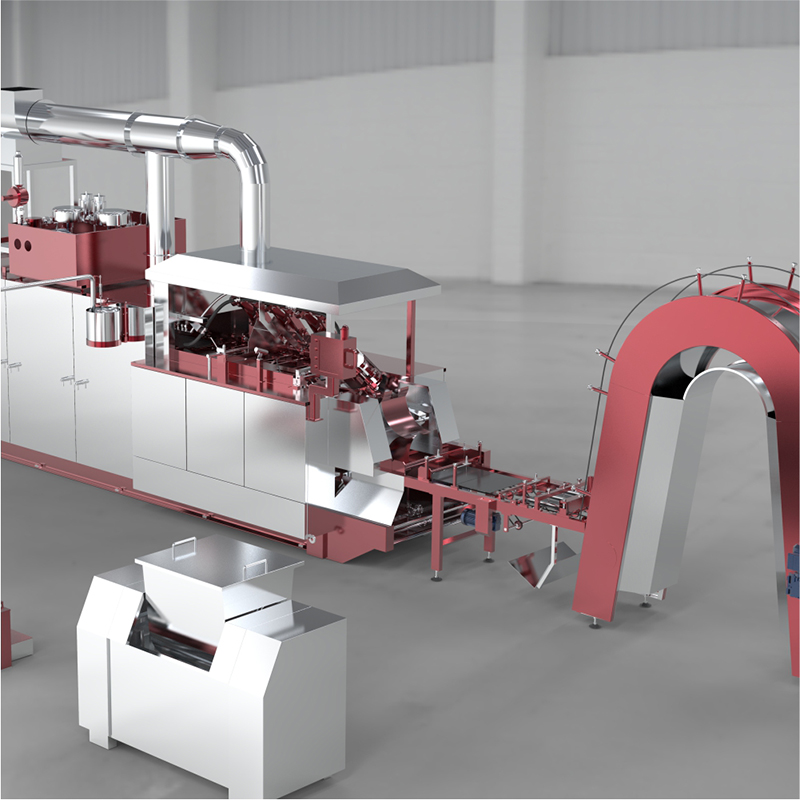



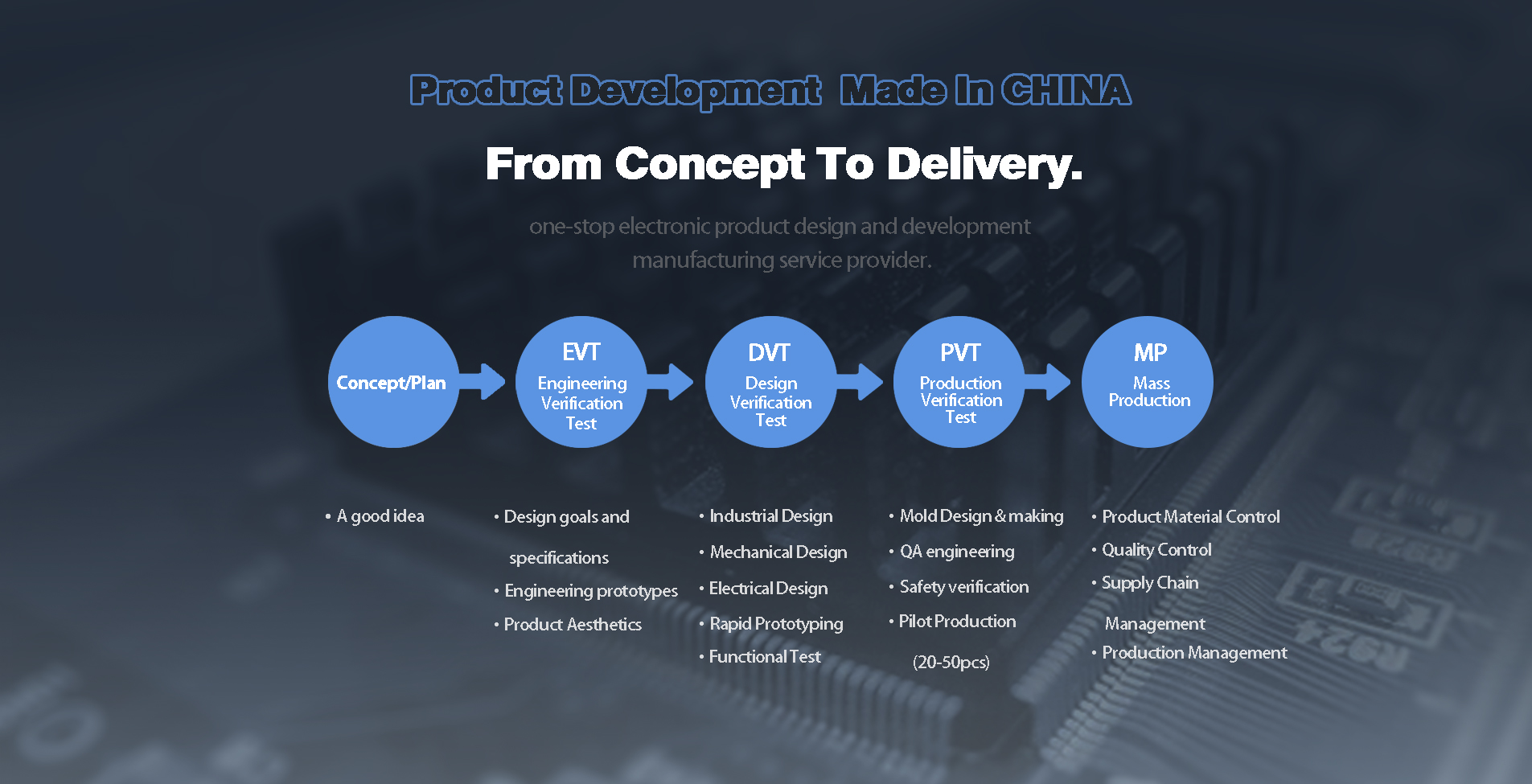
Study Industrial Design Guarantees Peak Performance From Concept to Delivery
Top Selling Products


- Related Blog
- Reviews
