

Explore Japanese Industrial Design Trends by Leading China Manufacturers
As a passionate advocate of Japanese Industrial Design, I understand the power it holds in transforming products into works of art. Partnering with a reliable China manufacturer can elevate your product offerings, combining impeccable craftsmanship with innovative aesthetics. Each design reflects a seamless blend of form and function, ensuring that your products not only appeal visually but also meet the highest standards of usability. In my experience, collaborating with skilled manufacturers in China allows for great flexibility and customization, addressing the unique needs of your market. I’ve seen firsthand how incorporating Japanese design principles can enhance brand identity and create lasting impressions on customers. Whether you're looking to develop a new line or revitalize existing products, embracing this design philosophy can drive engagement and increase sales. Let’s explore how we can bring these exceptional designs to your audience, ensuring that every product stands out in a competitive landscape.
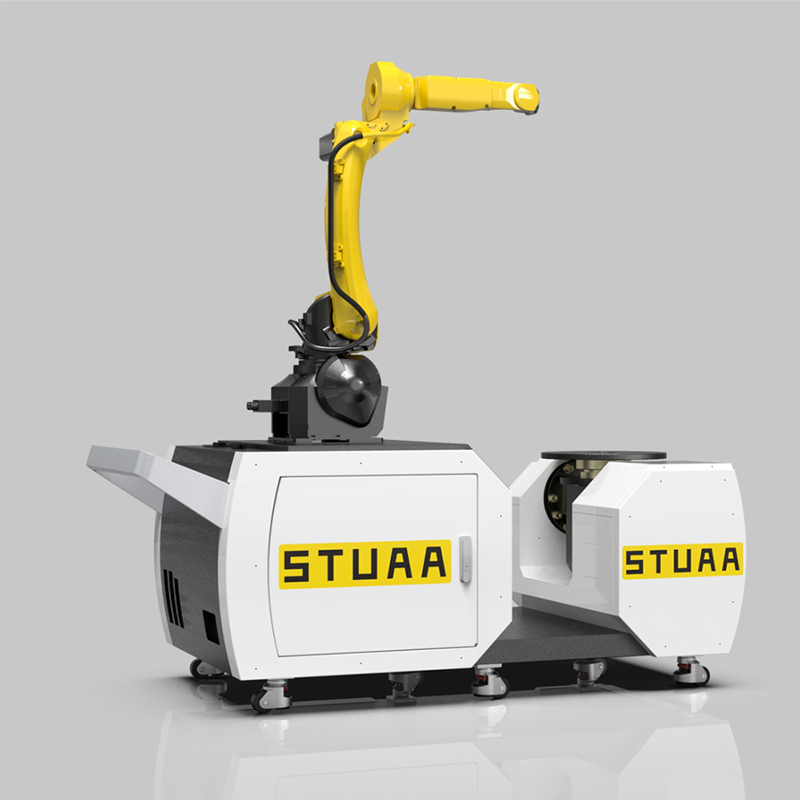
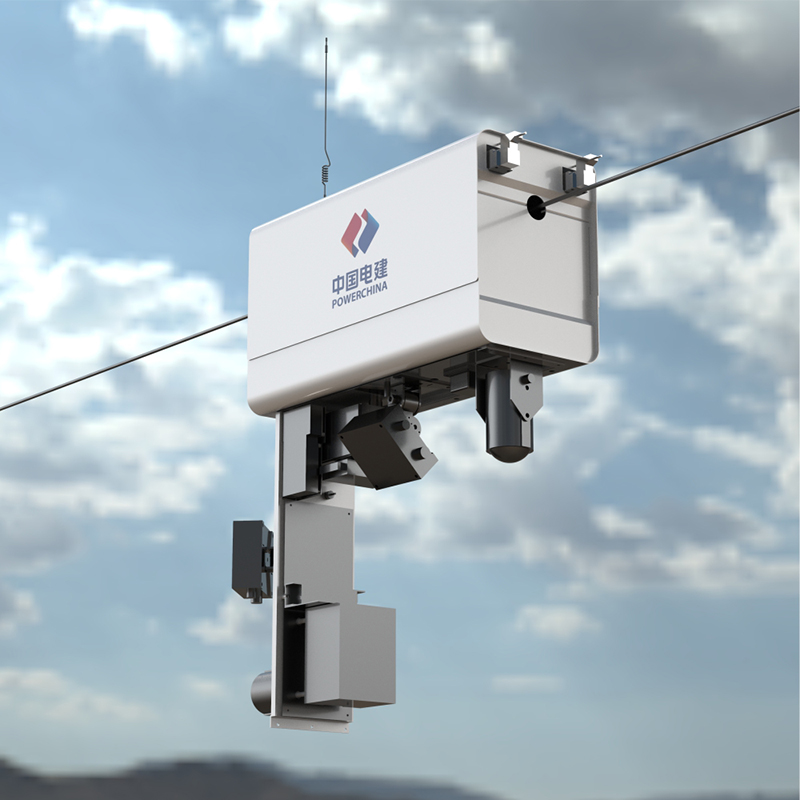
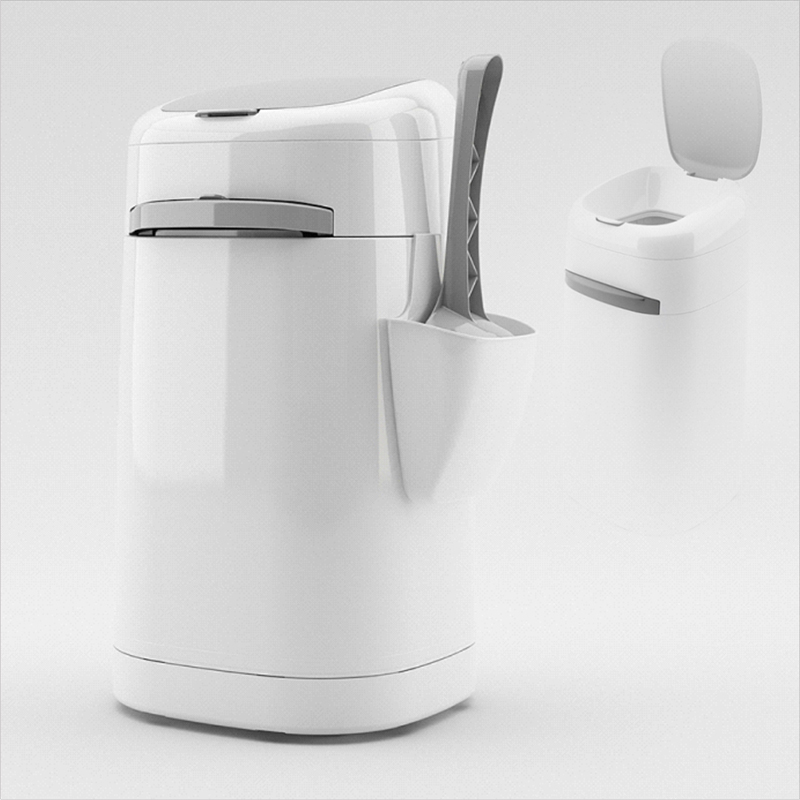
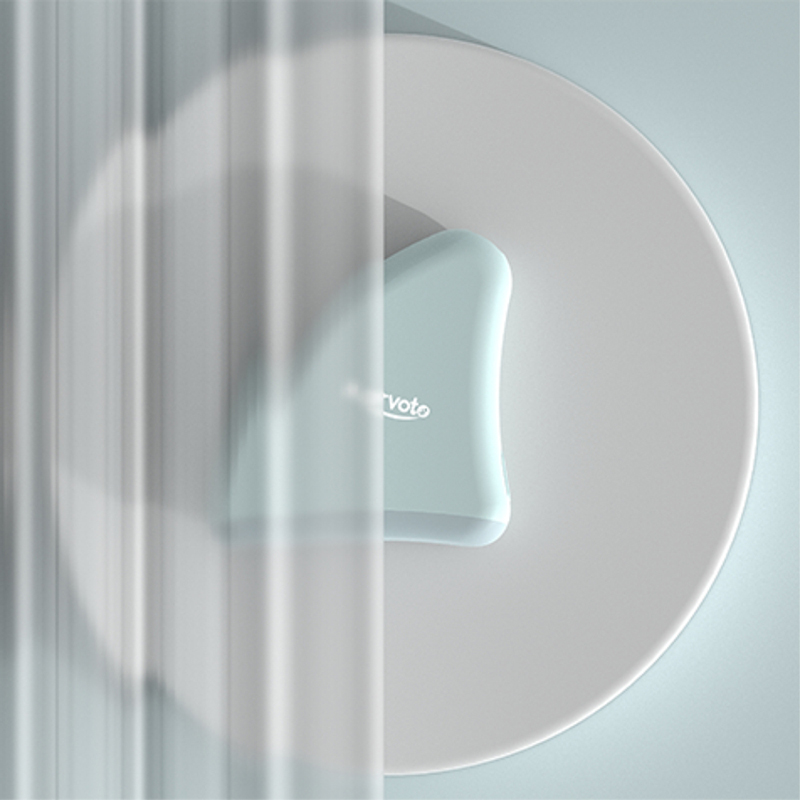
Japanese Industrial Design Is The Best Stands Out
Japanese industrial design has long been revered for its blend of functionality, aesthetics, and a commitment to quality. What sets Japanese design apart is the meticulous attention to detail and the seamless integration of traditional elements with contemporary innovation. This unique approach results in products that not only serve their purpose remarkably well but are also pleasing to the eye, making them a top choice for global businesses seeking reliable and attractive solutions. For global buyers, investing in Japanese industrial design means opting for durability and sustainability. Japanese manufacturers emphasize quality materials and eco-friendly practices, ensuring that each product is built to last while minimizing environmental impact. This commitment aligns perfectly with the growing demands for responsible sourcing and sustainable production in today's market. Additionally, the emphasis on user-centered design fosters products that fit perfectly into various lifestyles, enhancing overall user experience and satisfaction. Moreover, Japan's rich heritage of craftsmanship combined with cutting-edge technology creates a perfect synergy that appeals to international markets. Whether it's intricate machinery, elegant consumer electronics, or specialized industrial equipment, Japanese design standards set a benchmark worth pursuing. By embracing Japanese industrial design, global buyers can ensure they are offering products that stand out in quality, performance, and style, ultimately leading to increased customer loyalty and competitive advantage.
Japanese Industrial Design Is The Best Stands Out
| Design Element | Description | Material | Functionality | Cultural Influence |
|---|---|---|---|---|
| Minimalist Aesthetics | Focus on simplicity and elegance, eliminating unnecessary elements. | Wood, Metal, Glass | Encourages user interaction through intuitive design. | Influenced by Zen philosophy and traditional Japanese arts. |
| Natural Forms | Incorporation of organic shapes mimicking nature. | Bamboo, Stone | Enhances comfort and connectivity with the environment. | Draws from traditional crafts and nature worship. |
| Innovative Technology | Integration of cutting-edge technology into everyday products. | Plastic, Metal | Enhances usability and functionality, often with smart features. | Reflects advancements in science and modern living. |
| Sustainable Design | Emphasis on eco-friendly materials and processes. | Recycled materials, Organic materials | Promotes environmental awareness among consumers. | Connected to modern concerns about sustainability. |
Related Products





Japanese Industrial Design Where Service Meets Innovation Outperforms the Competition
Top Selling Products


- Related Blog
- Reviews
