

Unconscious Design Insights for Manufacturers in China
As a B2B purchaser, I often seek innovative solutions that not only enhance user experience but also drive conversion. That's where our Unconscious Design philosophy comes into play. Rooted in psychological principles, this approach taps into the subconscious cues that influence decision-making, making it especially effective for businesses in China. By partnering with a dedicated manufacturer, we ensure that each product aligns with these design principles, delivering both functionality and aesthetic appeal. Imagine a product that not only catches the eye but also encourages engagement and trust without clients even realizing it. We believe that thoughtful design can bridge the gap between your brand and your customers, resulting in stronger connections and higher sales. Join me in transforming the way we think about design, turning simple interactions into meaningful experiences. Together, we can redefine what it means to connect with consumers in today’s market.

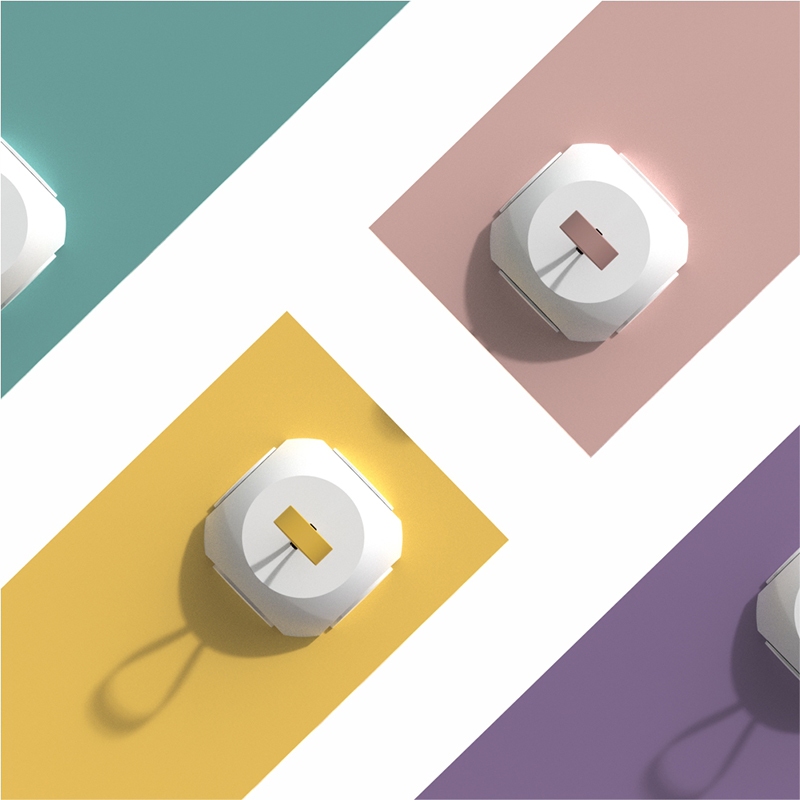

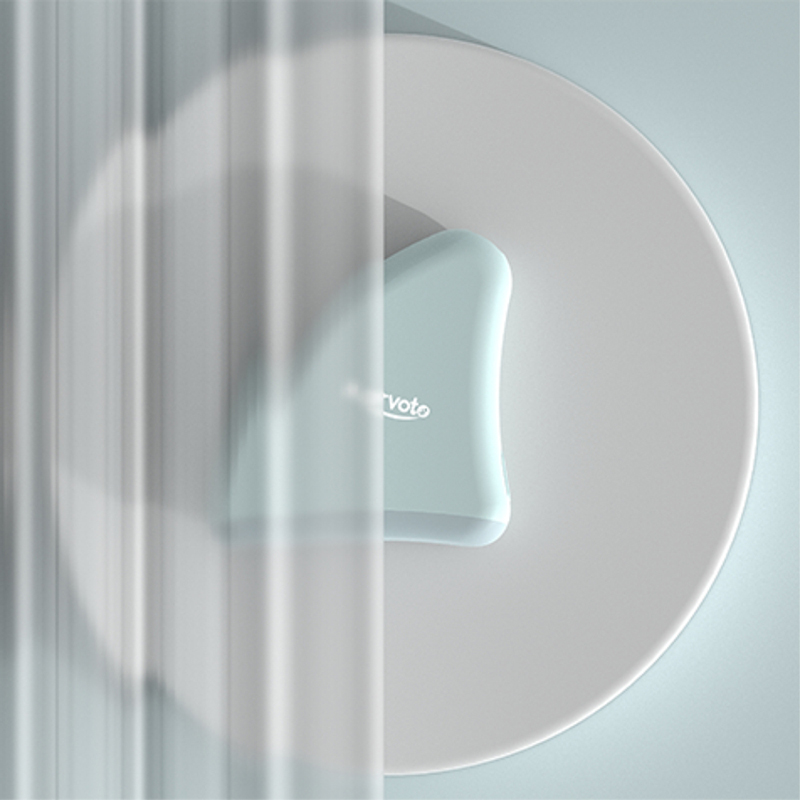
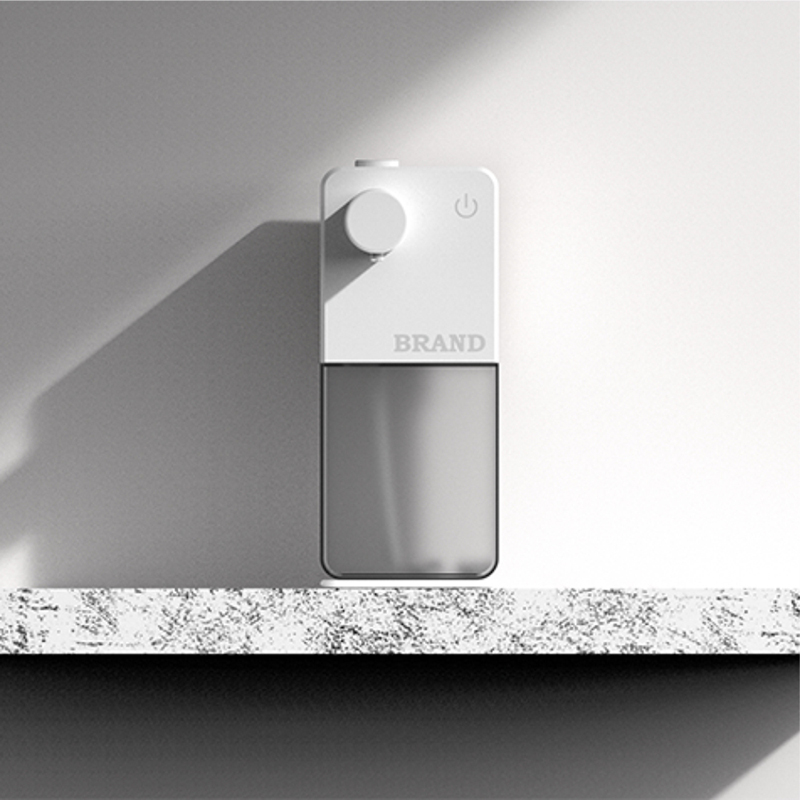
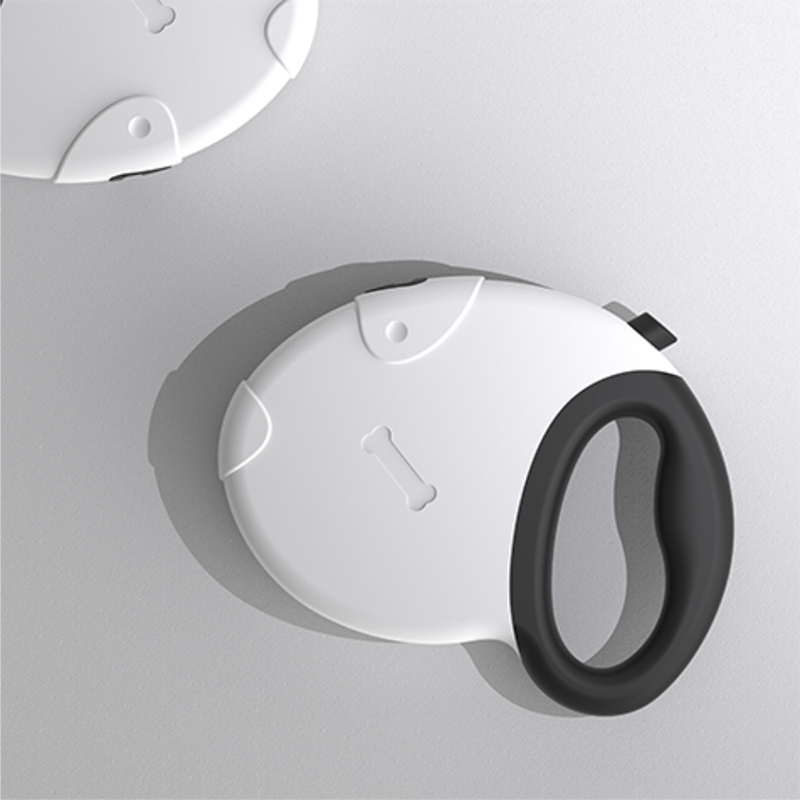
Unconscious Design Stands Out Pioneers in the Field
In today's competitive marketplace, the concept of "unconscious design" emerges as a game-changer for businesses seeking to captivate their audience without overt persuasion. This approach, which leverages psychology and user behavior, enables products to resonate deeply with consumers, often leading to increased sales and customer loyalty. By integrating natural aesthetic elements and user-friendly features that appeal to our subconscious preferences, companies can create products that not only stand out but also become essential in the daily lives of their users. As pioneers in this innovative field, we understand the vital role of ergonomics and intuitive design in crafting solutions that meet the needs of global consumers. By focusing on the subtle nuances of design that speak to the unconscious mind, businesses can differentiate themselves in a crowded market. This method emphasizes functionality seamlessly woven into visually appealing frameworks, ensuring that products are not only effective but also delightful to use. Global buyers are increasingly looking for such products that merge practicality with imaginative designs, resulting in a holistic customer experience. Embracing unconscious design principles allows companies to anticipate user needs and preferences, paving the way for tailored solutions that enhance satisfaction and engagement. As a responsive partner in the global supply chain, we strive to incorporate these insights into every product, aligning with market trends that prioritize both the emotional and practical aspects of product use. The future belongs to those who can effectively integrate the unseen desires of consumers into innovative designs, transforming ordinary products into extraordinary essentials.
Unconscious Design Stands Out Pioneers in the Field
| Pioneer | Field | Contribution | Year Established |
|---|---|---|---|
| Pioneer A | Cognitive Psychology | Studied unconscious biases in design | 1995 |
| Pioneer B | User Experience | Developed systems for intuitive design | 2001 |
| Pioneer C | Behavioral Economics | Explored decision-making processes | 2005 |
| Pioneer D | Design Thinking | Created frameworks for empathetic design | 2010 |
| Pioneer E | Neuromarketing | Analyzed unconscious responses to branding | 2015 |
Related Products

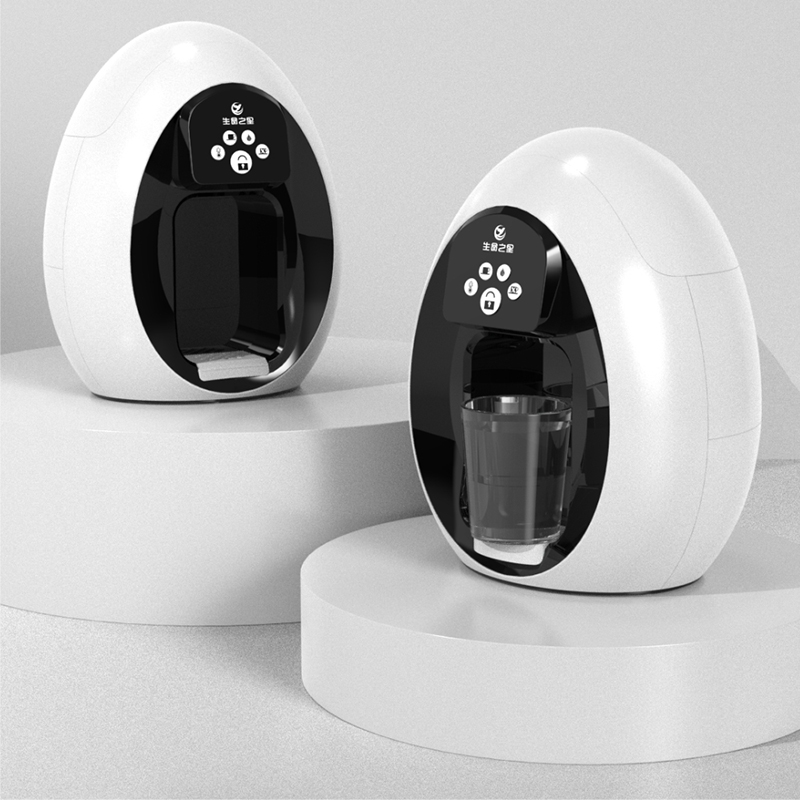
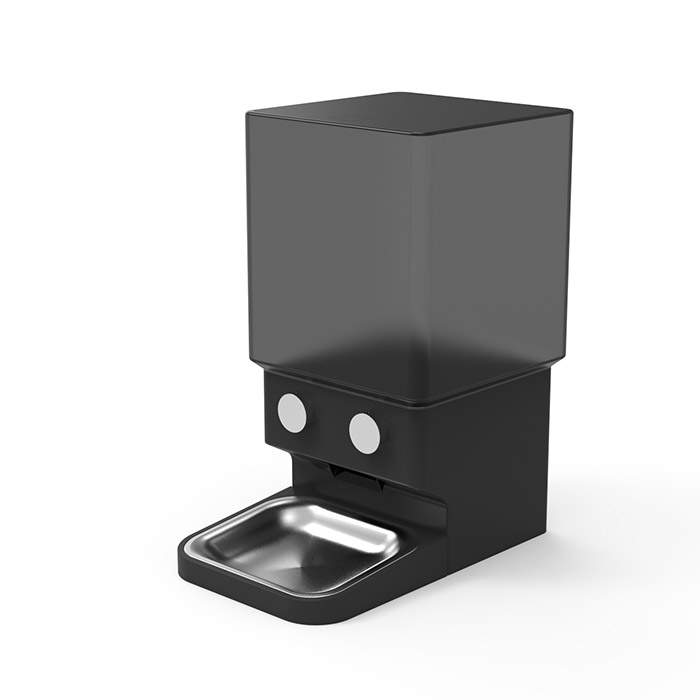
Unconscious Design Products For the Current Year
Top Selling Products




- Related Blog
- Reviews
